Things On Bread

Things On Bread

Home
Ceramics
Archive
About

Fifty Shades of Whey

Don't sleep on this miracle liquid (because that would be wet and uncomfortable)

Peter Barrett's avatar
Peter Barrett
Feb 18, 2026
Cross-posted by Things On Bread
"Cross-posting this so everyone can read it."
- Peter Barrett

I’m making this post free in honor of Kojicon, which is happening right now and which I’ll be presenting at next week. You can find the list of amazing presenters, the full schedule, and the link to buy tickets on the Kojicon site. If you find this post helpful or inspiring, please subscribe—paid subscribers make this newsletter possible.

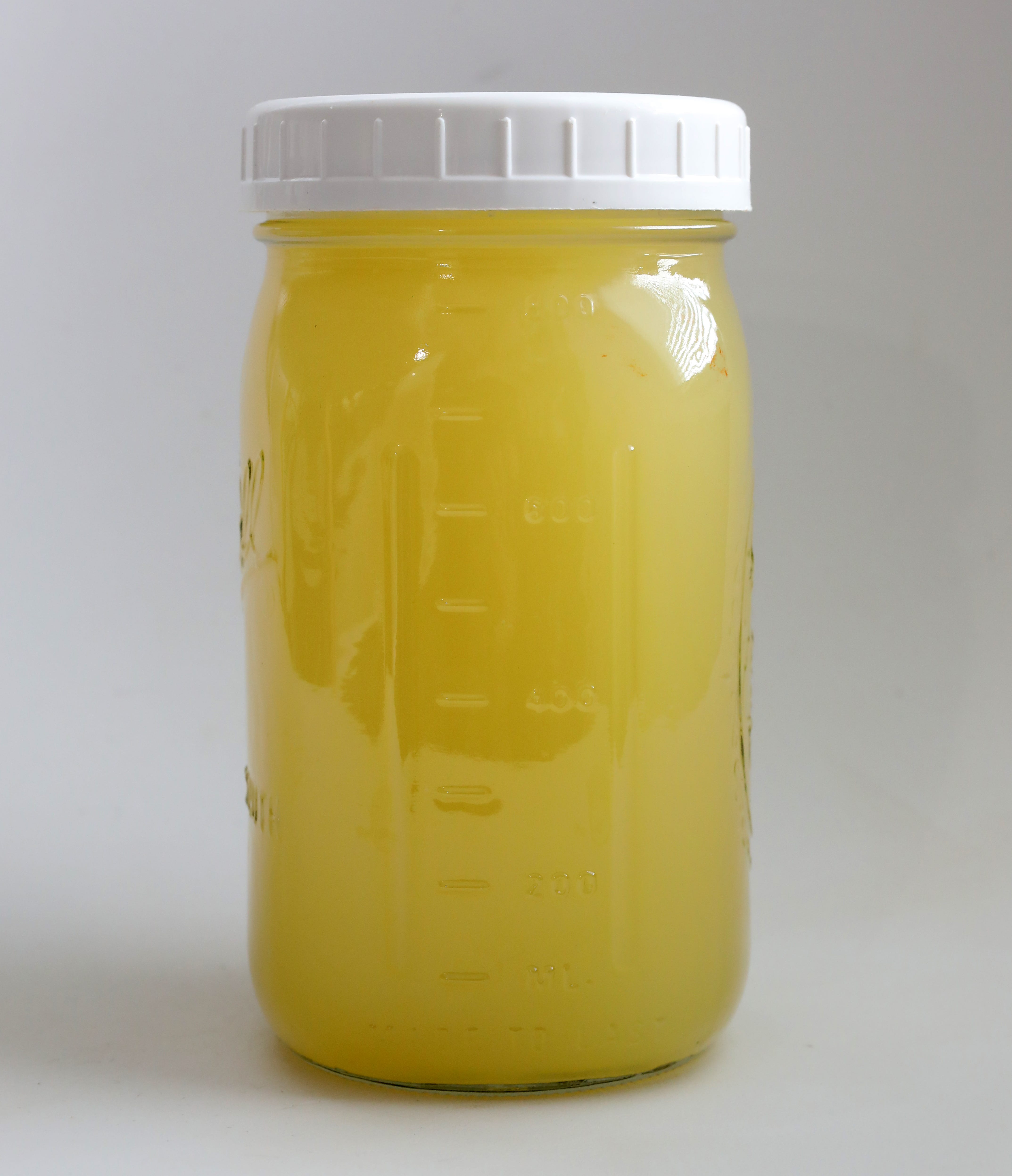
If you make any kind of cheese or strain your own Greek-style yogurt, you’re going to end up with whey in your kitchen. This is an absolute blessing—whey is an incredibly useful liquid that adds tons of flavor and nutrition to a wide variety of applications.

I’m cross-posting this on both newsletters, since whey is a byproduct of several fermentation processes (Flavor Freaks is fermentation-specific) but can be deployed in so many kinds of cooking that it should also appeal to Things on Bread readers (which is about everything else). Also, my last ToB post was about paneer, which generates a goodly quantity of deliciously tangy whey.

It bears repeating that when you start making products at home that you previously bought in the store, you unlock not just a deeper understanding of your food but you also gain access to ingredients like whey that can transform simple cooking into profoundly tasty delicacies. This is not hyperbole—whey elevates a lot of basic, everyday dishes dramatically. And not for nothing, beyond flavor it adds a lot of nutrition. It’s not a coincidence that most protein powders (which are not food) are derived from whey (which is).

The following list dives into nine ways (sorry, wheys) that you can use this versatile elixir in things that you already know how to cook. Try it—you’ll never go back. This is the whey.

Generally speaking, whey won’t have salt in it since most cheeses get salted after you’ve strained out the curds. If yours does have salt, adjust accordingly as you cook. You can mix whey with water (or stock) if you don’t have the amount of liquid required for a given process or dish.

In no particular order, these are all whey cool destinations:

As a substitute for buttermilk

Real buttermilk is the byproduct of churning butter. It’s the liquid that remains after the fat has separated from the water in cream. Commercial buttermilk that you see at the store is not this; it’s made from milk that’s been cultured with bacteria to sour it. Paneer whey, since it’s made with acid, is super tangy right out of the gate, as is yogurt whey because that’s already undergone bacterial fermentation. For other kinds of cultured cheese wheys, you might want to hang onto them for a day or three so those cultures can ripen a bit and add more tang and depth. Whichever type you’re using, it’s an easy 1:1 substitution for buttermilk.

As the base for gravy

You can use whey alone or in conjunction with other liquids (stock, wine, milk, lacto-fermented brine) to make gravy. Just make a roux using the fat of your choice and some flour, then whisk in your whey as you would normally. The result is freaking awesome, especially if you add some alliums to it—sour cream & onion gravy, anyone?

As a pickling medium

Once your whey has cooled (if you heated it as part of whatever process, like paneer) it makes an incredible liquid for lacto-fermenting vegetables. Use it 1:1 like you would water to make a brine, adding 3-4% salt and then fermenting your veg in it. It adds so much dairy richness and tangy oomph, especially (again) with alliums. Try pickling pearl onions in a whey brine and see if your mind isn’t blown. Flavor Freaks has a good primer on lacto-fermentation if you’re new to that glorious rabbit hole.

Note: depending on what the whey is from, you might want to boil it before using it to ferment. If you’ve just made a batch of camembert or blue cheese, for example, you don’t want those mold cultures in your pickle jar.

In baking

If you like the tang of sourdough, have I got some good news for you. Whether you’re using a starter or not, swapping in whey for some or all of the water in your breads is a brilliant use for it. If you make breads with a soaker, or any sort of porridge bread, use the whey for that stage. You can also brush loaves and rolls with whey instead of an egg wash before baking to get a similar golden brown effect.

On the sweeter side, one of my favorite uses for whey is to make a curd, either alone or in combination with other flavors like fruit juice. Its pale color takes well to lots of colors (say, strawberry purée) and the dairy richness and tang make for some sublime dessert possibilities. You can also use it instead of milk in pastry cream and similar custardy concoctions for an irresistibly sweet-sour result.

In pancakes and crêpes

I’m a big fan of using excess sourdough starter in just about everything on the pancake-crêpe-fritter continuum. Sweet or savory, that extra tang and umami adds a lot of character. Whether you have starter or not, try using whey instead of water or milk in your favorite recipe. Sophisticated!

In dressings

Ranch dressing calls for buttermilk, so you already know where I’m going with this. It won’t be as creamy as buttermilk (because that’s cultured milk, and whey has no solids in it) but the flavor is sublime. Try making a few dressings on a spectrum between ranch and green goddess and see if you don’t invent your new favorite.

In marinades

If you think of whey as “water, but better” you’ll see why it’s a logical liquid to immerse food in. Whatever the application, if it calls for marinating or brining just use whey along with whatever other ingredients are called for. Depending on what you’re marinating and what the final dish will be, you might want to reduce the marinade for a sexy sauce.

As a cooking liquid

Poaching, braising, simmering—lots of vegetables, grains, mushrooms, and proteins love a whey bath. Think of it like stock; it’s water with a lot more body and flavor. Note that legumes don’t like cooking in acid since it keeps their tough outer layers from softening properly. So if you want to use whey in a bean dish, add it after they’re tender. You can make a wicked risotto using whey instead of broth—I think that what happens when you beat some butter and parm in at the end is still illegal in 17 states.

At the risk of being redundant, try braising onions or leeks in whey. Good lord. Here’s another idea: poach eggs in some whey (no need to add vinegar, because it’s already acidic) and then use that hot whey to make gravy for those eggs. Easier than hollandaise, non?

In shio koji & amazake

Again, use whey instead of or mixed with water. For shio koji, you’re giving the koji enzymes a ton of protein to work with so the result will have more umami—a lot more. It’s also going to get super tangy. For amazake, you end up with a phenomenal sweet-sour-umami powerhouse that must be tasted to be believed. And with that in mind, think about the curd idea above in the baking section.

Note: see pickling, above, for the reason you might want to pasteurize your whey before using it in koji ferments.


So there you have it. Again, I strongly recommend making your own paneer, because it’s easy and delicious but also because it unlocks the cheesemaking part of your brain, which then allows you to explore other fun entry-level projects like cream cheese and farmer’s cheese (and chèvre, if you have access to goat milk). Be advised that the quality of your milk does matter, so if you can buy local and pastured definitely do. Anybody have other favorite uses for whey?

Share

Leave a comment

No posts

© 2026 Peter Barrett · Privacy ∙ Terms ∙ Collection notice
Start your SubstackGet the app
Substack is the home for great culture