

Brown Bread 101
The easiest rye bread, perfect for tinned fish and more

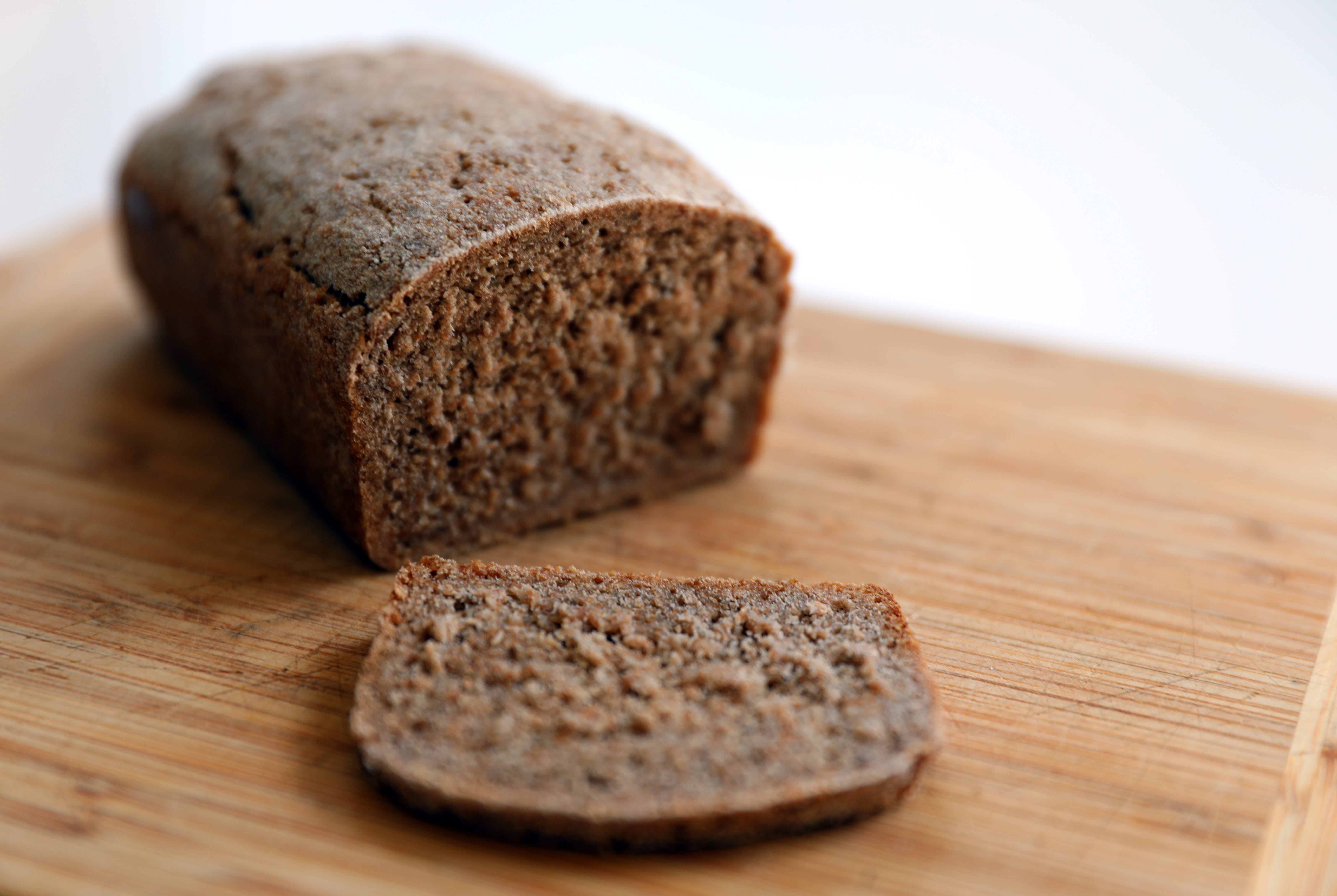
Baking can be an exacting discipline. Measurements matter, as do time and temperature, and if you deviate too far from a recipe you risk ruining the result. I am not, however, blessed with a scientific mind. I like to improvise, and despite my fairly prodigious output in the kitchen I’m actually pretty lazy and always looking for simpler routes to a given tasty destination. So my approach to baking is often somewhat unorthodox, but I feel strongly that my approach contains valuable lessons for cooks of all types.
That’s what led me to this rye bread method. It’s ridiculously easy, requires barely any measuring, and is the ideal substrate for all your Scandi-leaning tinned fish fantasies. Sliced thinly and toasted, it’s sturdy enough to hold a mountain of butter, sardines, and pickled beets, for example, or whatever other combination you throw at it. Once you get the hang of it you can bake real, actual bread without measuring at all. The whole point of this is that you can find your own version of the method and never look back.
It does require a vigorous sourdough starter, so you’ll need to build one of those. And if your starter isn’t 100% rye at 100% hydration (equal weights of flour and water), you should take a spoonful of it and use it to inoculate a separate all-rye starter for this. Or don’t! If you use a wheat starter you’ll get a higher rise and more open crumb and maybe that hybrid vibe is your speed. Whatever the makeup of your starter, whole-grain rye flour is definitely the way to go, and organic is preferable if you can find/afford it.
