

Herbes de Provence
Grow and blend your own

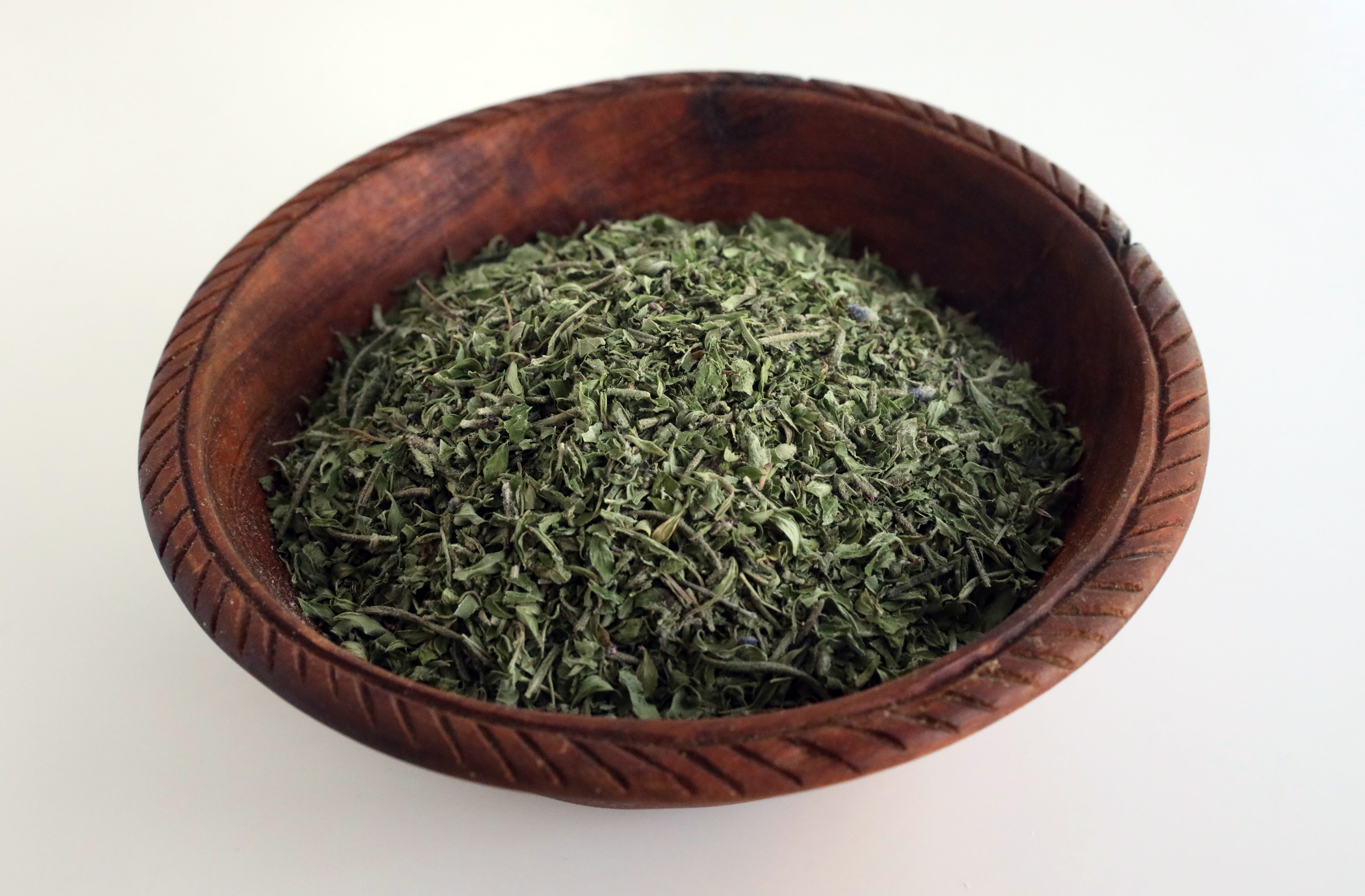
I become fonder and fonder of tough perennial herbs with each passing year. Beyond their wonderful culinary uses, they also tend to be aggressive spreaders that more than hold their own against less desirable local plants, making for low-maintenance beds. As I slowly replace areas of lawn with perennials, plants like oregano and mint and their many relatives rank among my favorites for sending grass packing.
Besides the several types of thyme I’ve planted, there’s also a lot of wild thyme in my yard, which unlike many wild plants actually benefits from mowing because it has such a low profile (except when it’s flowering). I love watching it slowly spread to take over more and more of the sunniest part of the yard. It’s a little harder to process than the thymes in the herb beds because I have to separate out the grass and clover, but it’s not complicated and I love having it around. And the bees love it too, so I skip mowing that area while it flowers.
I’m right on the edge of being able to grow rosemary outside as a perennial. Lavender barely holds on against the warmest wall of the house, and I’m going to keep trying to spread it around as I find places that it can survive (and as our winters get warmer). But for now, my rosemary lives in the pot where it’s been happy for going on five years now I think. Sage survives, but cannot be said to thrive around my house. My four sage plants all made it through the hard winter, but they have some recovering to do.
When you combine all of these herbs (and sometimes several others), you get the justifiably famous blend known in French as herbes de Provence, which means “herbs from Provence” in French, which they speak in France, which is where it’s from. But it works wonderfully in dishes from all around the Mediterranean and beyond, which is why I generally make a big jar of it rather than keeping, say, my oregano and thyme in separate jars. If a dish wants thyme, it’s a safe bet that it’ll benefit from the addition of some oregano and rosemary too.
Not everyone has the space and time to garden the way I do, but the thing about herbs is that you can grow them almost anywhere, including in a pot on a sunny windowsill. The herbs on this list make great houseplants—they look pretty, and you can brush your hand against them any time for some instant aromatherapy. And when you grow your own, you can customize the blend based on your taste, or do as I do and let the ratios of the available plants dictate the blend each year.
Each herb dries differently, and needs a little care to get it to the perfect place where it can be combined with the rest for maximum effect. I’ve got all that info, plus a few other handy tips to get you started in the slow-paced world of herb drying. I’ll also tell you which common ingredients I leave out, and why. If you do grow harvest, dry, and combine your own custom mixture I promise that you’ll notice the difference—and you’ll reach for the jar a lot when you’re cooking.
