

Lomo/Lonzino
Another entry-level charcuterie recipe

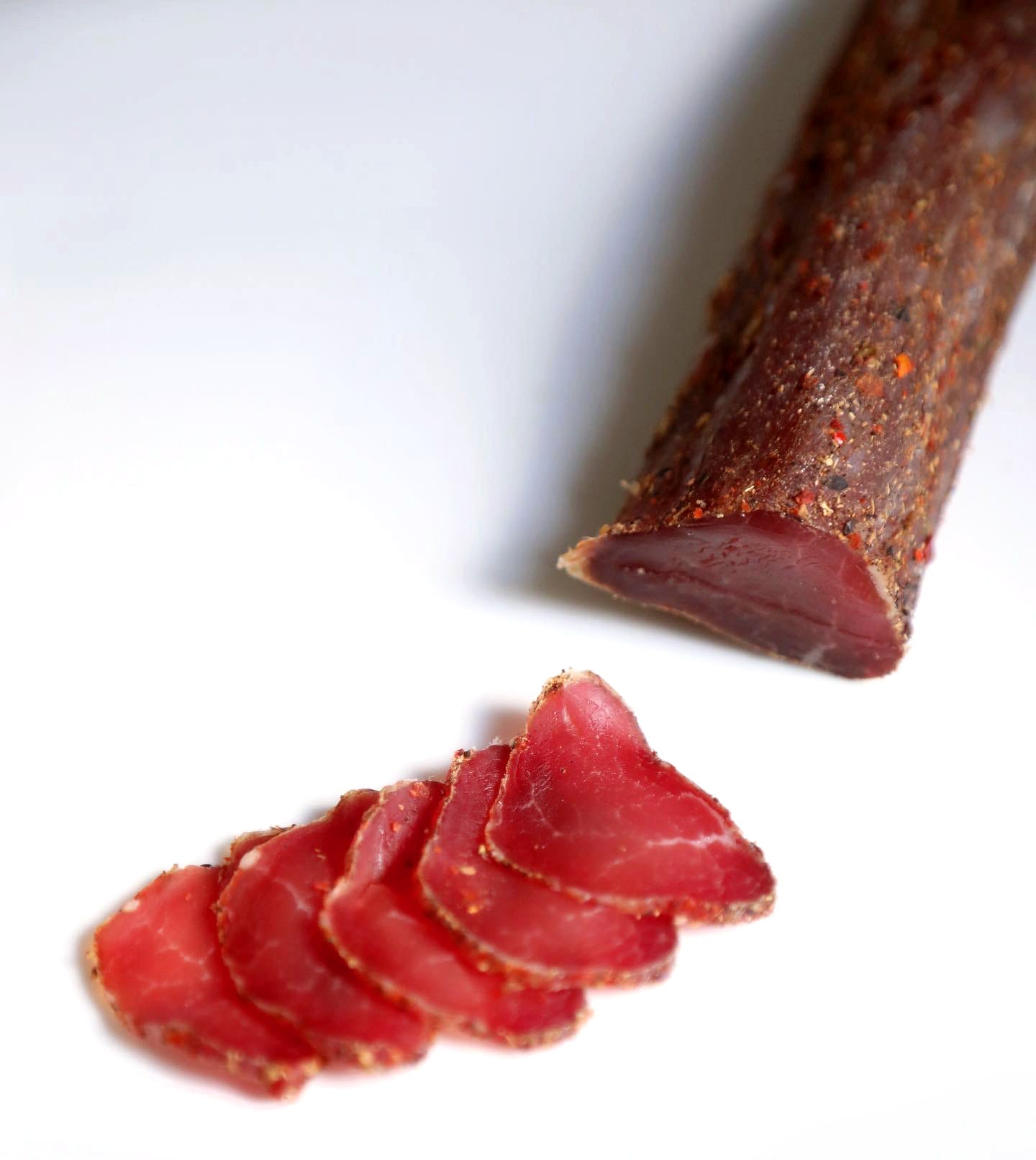
The Spanish lomo and Italian lonzino refer to the same thing: cured pork tenderloin. Both words derive from the Latin lumbus (loin), which is where we get lumbar—which makes sense if you consider the location of those vertebrae. The seasonings differ from country to country and regionally within them, but the method is identical. And because a tenderloin is pretty skinny and virtually fat-free, it cures and dries quickly—even faster than the duck prosciutto I covered recently. So it’s an excellent beginner project that opens up a lot of possibilities.
Most important by far is the quality of the meat you use. Do not bother with factory-farmed meat. Beyond its indefensibility on ethical grounds, that soft, pale pink muscle has no character and will not yield a product worth the effort. Find someone near you who is raising animals properly—on pasture, and in the case of pigs especially that should include a fair percentage of forest. Pigs are woodland animals, and they’re happiest foraging nuts and rooting for grubs. It’s not a coincidence that some of the world’s best ham, Jamón Ibérico de Bellota, is made from pigs raised on acorns and chestnuts (bellota means acorn).
If you’re not familiar with the term silvopasture, it’s exactly this concept. That’s the kind of agriculture we should endeavor to support. Charcuterie is a method of preservation first and foremost, and obviously it adds a lot of flavor in the process, but it also affords us a means to use and honor all the various parts of a given beast. Tenderloin is clearly a prestige cut, but once you understand this method you can move on to humbler parts and expand your horizons.
Outside of fermentation, no subject has increased my culinary understanding more than charcuterie. It also, paradoxically, helped to reduce my meat consumption—because a little goes a long way, it allows you to use meat more as a seasoning and less as the main event. Simple recipes like this one and the duck prosciutto can enrich your cooking pretty dramatically—people love charcuterie boards, and nothing beats the bragging rights when you make it yourself.
